
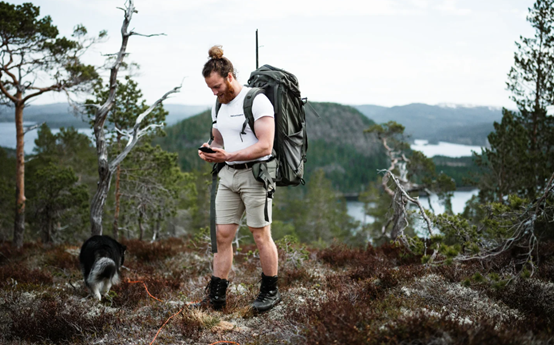
For hikers, campers, and outdoor enthusiasts, the constant buzz of mosquitoes or the hidden threat of ticks can turn a scenic adventure into a stressful ordeal.
While traditional sprays are effective, insect-repellent clothing offers a “set it and forget it” alternative that provides long-lasting protection without the greasy feel of topical lotions.
How It Works?
Most insect-repellent garments are treated with Permethrin, a synthetic version of a natural repellent found in chrysanthemum flowers.
Unlike DEET, which is applied to the skin to discourage bugs from landing, Permethrin is a contact insecticide.
Work principle:
- When an insect touches the fabric, the Permethrin affects its nervous system. This often causes the bug to drop off or die before it has a chance to bite.
- In factory-treated clothing, like those using Insect Shield technology, the repellent is bonded so tightly to the fabric fibers that it remains effective for up to 70 washes.
Key Benefits of Wearing the Insect-Repellent Clothing
| Feature | Benefit |
| Convenience | No need to reapply every few hours like sprays or lotions. |
| Full Coverage | Provides a consistent barrier over large areas of the body, including hard-to-reach spots like the back. |
| Odorphobia | Most treated clothing is completely odorless, unlike the pungent scent of many topical repellents. |
| Tick Protection | Particularly effective against ticks, which often crawl up clothing before finding skin. |
Safety and Durability
The EPA has classified Permethrin-treated clothing as safe for all ages, including children and pregnant women. Because the repellent is bound to the fabric, very little is absorbed by the skin.
Pro-Tips for Longevity:
- Wash separately: While you can wash them with normal laundry, avoid dry cleaning, which can strip the treatment.
- Skip the heat: Air drying or low-heat settings help preserve the chemical bond.
- Layering: You can still wear a base layer underneath; the repellent works on the outer surface where bugs land.
Is It Worth to Buy Insect-Repellent Cloth?
While treated clothing usually carries a higher price tag than standard outdoor gear, the investment pays off for those spending significant time in “buggy” environments.
It’s an ideal solution for:
- International Travelers: Especially in regions where mosquito-borne illnesses like Malaria or Zika are prevalent.
- Gardeners and Trail Runners: People who move through tall grass where ticks are common.
- Workplace Safety: Professionals in forestry, surveying, or landscaping.
Comparison of Clothing Treatment and Skin Repellents
| Feature | Permethrin (Clothing) | DEET / Picaridin (Skin) |
| Application | Fabric and gear only | Exposed skin and some fabrics |
| Action | Kills or incapacitates on contact | Deters insects from landing |
| Safety | Very low skin absorption once dry | Absorbed through skin; requires reapplication |
| Target Pests | Excellent for ticks, mosquitoes, and mites | Best for mosquitoes and biting flies |
Safety and Best Practices
Using clothing repellents correctly is vital for both effectiveness and safety.
- Never Apply to Skin: Permethrin is not effective as a skin repellent because the natural oils in human skin break it down within about $15$ minutes. It is strictly for fibers.
- Focus on Entry Points: When treating your own clothes, pay extra attention to “entry points” like socks, pant cuffs, and shirt sleeves where ticks and mosquitoes are most likely to crawl or land.
- Handle with Care When Wet: While Permethrin is safe for humans and dogs once dry, it is highly toxic to cats and aquatic life when in its liquid state. Ensure treated clothes are completely dry before allowing pets near them.
- Outerwear Only: It is generally recommended to treat your outer layers (shirts, pants, jackets) rather than undergarments.